
Advertorial
What does a $186 vascular screening include?
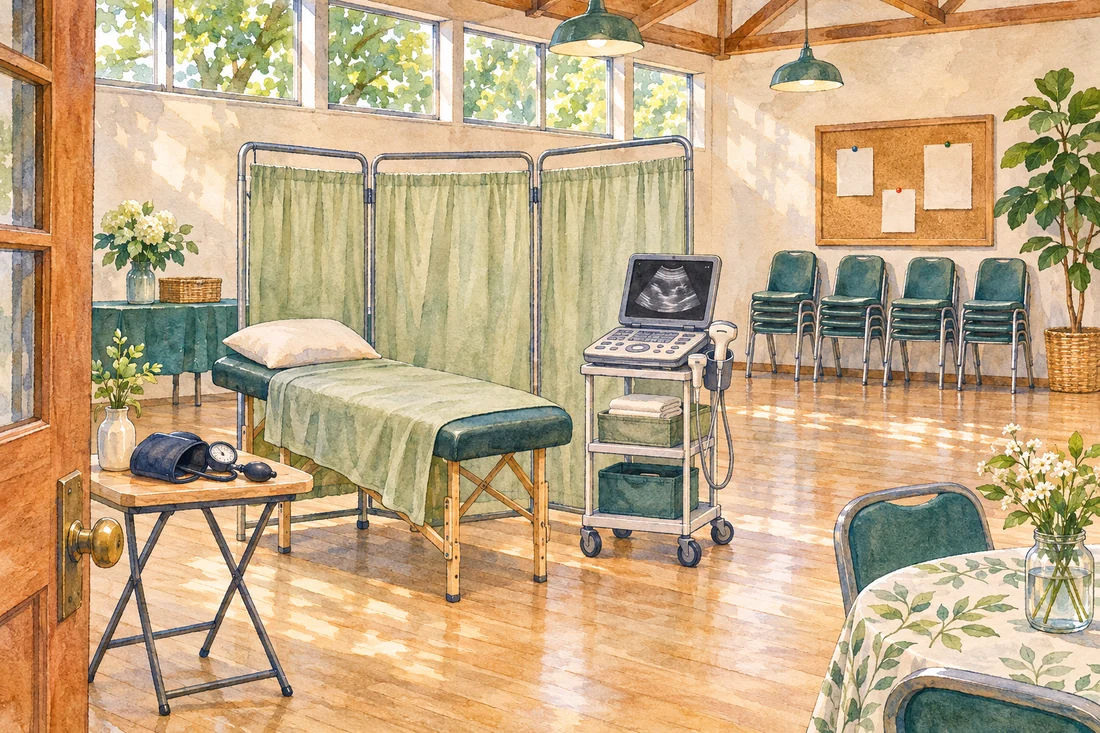
A 60–90 minute community visit includes a physician-reviewed report for your doctor. See who each test is for.
The provider’s package includes four tests
$186 self-pay before extrasListed
- Abdominal aorta · ultrasound
- Heart rhythm · EKG for AFib
- Leg circulation · ankle-brachial index
- Neck arteries · carotid ultrasoundRoutine screening is discouraged for adults without symptoms.
- Visit
- 60–90 min
- Referral
- Not needed
- Results online
- about 10 days
Who might benefit from each check?
All four tests are non-invasive, with no needles or radiation. The U.S. Preventive Services Task Force (USPSTF) weighs each test’s benefits and harms for adults without symptoms.
Abdominal aorta
Aortic aneurysm ultrasound
Grade B Recommended once for men aged 65–75 who have ever smoked.
USPSTF recommendationAorta guidance by age, sex and smoking history
- Men aged 65–75 who have never smoked
- Grade C Discuss a one-time scan with your clinician, based on your history and preferences.
- Women who have never smoked and have no family history of an abdominal aortic aneurysm
- Grade D Routine screening is discouraged.
- Women aged 65–75 who have ever smoked or have a family history of an abdominal aortic aneurysm
- Grade I Evidence is insufficient to weigh the benefits and harms.
A probe measures your main artery for a bulge called an aneurysm.
Aortic aneurysm guideHeart rhythm
EKG for atrial fibrillation
Grade I Insufficient evidence for adults aged 50 and older without symptoms.
USPSTF recommendationStick-on sensors record your heartbeat. This brief check can miss an irregular rhythm that comes and goes.
Heart rhythm guideLeg circulation
Ankle-brachial index (ABI)
Grade I Insufficient evidence for adults without symptoms.
USPSTF recommendationAnkle and arm blood pressures are compared to check blood flow in your legs.
Leg circulation guideNeck arteries
Carotid artery ultrasound
Grade D Routine screening discouraged for adults without symptoms.
USPSTF recommendationA probe checks for narrowing in the arteries that supply your brain. A false alarm can lead to more scans or treatment.
Neck artery guide
What would change for you?
Ask your doctor which test, if any, fits your history. Would a normal result change your care? If a result were flagged, what follow-up would you need?
Full recommendations by population Questions to bring to your doctor
Sudden weakness on one side or trouble speaking? Call 911 immediately. CDC stroke warning signs
Bone ultrasound is not one of the four. It is sold separately or in a larger bundle. How a heel ultrasound differs from a DXA bone density scan
How booking works
Enter your ZIP code
Search the provider’s calendar for a screening event near you. Events take place at community centers, senior centers and places of worship.
Check your selection and total
For the four tests, look for “Heart Disease & Stroke Risks” (listed at $186). Choose “Non-Member Screening” for a single visit. Lab work is optional. Check the total before paying. The provider offers phone and chat help.
Attend your screening
Allow 60–90 minutes. The provider says trained technologists do the scans and board-certified physicians review them. Staff flag urgent findings on the day.

Before your visit
- Check fasting instructions. The aorta scan may need a few hours without food. Follow the provider’s instructions, and ask your prescriber first if fasting affects your medicines.
- Dress for the tests. A loose two-piece outfit with an open collar and pants that roll above the ankle.
- Bring ID and your confirmation. Have a photo ID and your booking confirmation with you when you check in.
Cost and insurance
The package is self-pay. The screening provider does not bill Medicare. Insurance may cover a separate test your doctor orders if you qualify. Check with your plan administrator before using HSA or FSA funds.
Check Medicare’s aortic ultrasound benefit Cost and insurance guide Community screening or a doctor-ordered test?Common questions
What if I need to cancel or change the appointment?
- Full-value gift card
- Cancel more than 48 hours before the appointment and the provider issues a gift card toward a future screening.
- $50 deducted from the gift card
- For a non-member visit, this applies if you cancel or reschedule less than 48 hours before the appointment.
Check the terms before paying. At exactly 48 hours, ask the provider which policy applies. To change a booked visit, use the contact details in your confirmation.
Does preventive screening diagnose or prevent stroke or heart disease?
The checks record measurements at one point in time. A normal result cannot rule out a future stroke or heart problem. Your doctor can interpret a flagged result and decide whether you need diagnostic testing.
What if one of my results is flagged?
Take your report to your own doctor, who can decide whether you need a diagnostic test. If further evaluation is recommended, the provider includes printed images of the neck artery, aorta and heart rhythm results for your doctor to review.
Plan your next step
Open the visit plannerMedical disclaimer. This page does not constitute medical advice or replace professional diagnosis or treatment. Screenings check for risk factors. Discuss which tests fit your health history with your physician.